

If you have ever stepped from the sauna straight into the cold plunge, you know the feeling: the rush, the clear head, the calm that follows you home. People have chased that feeling for centuries, from Finnish lakesides to Japanese bathhouses, and researchers have spent the last two decades measuring it. The short version: the science is genuinely encouraging.
 63%lower sudden cardiac death risk in 4–7x/week sauna users vs once weekly[1]
The good news first
The most famous findings come from Finland, where researchers followed 2,315 men for about twenty years[1]. The men who used a sauna four to seven times a week were 63 percent less likely to die of sudden cardiac death than the once-a-week men, and their overall risk of dying during the study was about 40 percent lower[1]. Later, the same research group found something just as striking: the frequent sauna users showed about 65 percent lower risk of dementia and Alzheimer’s[2].
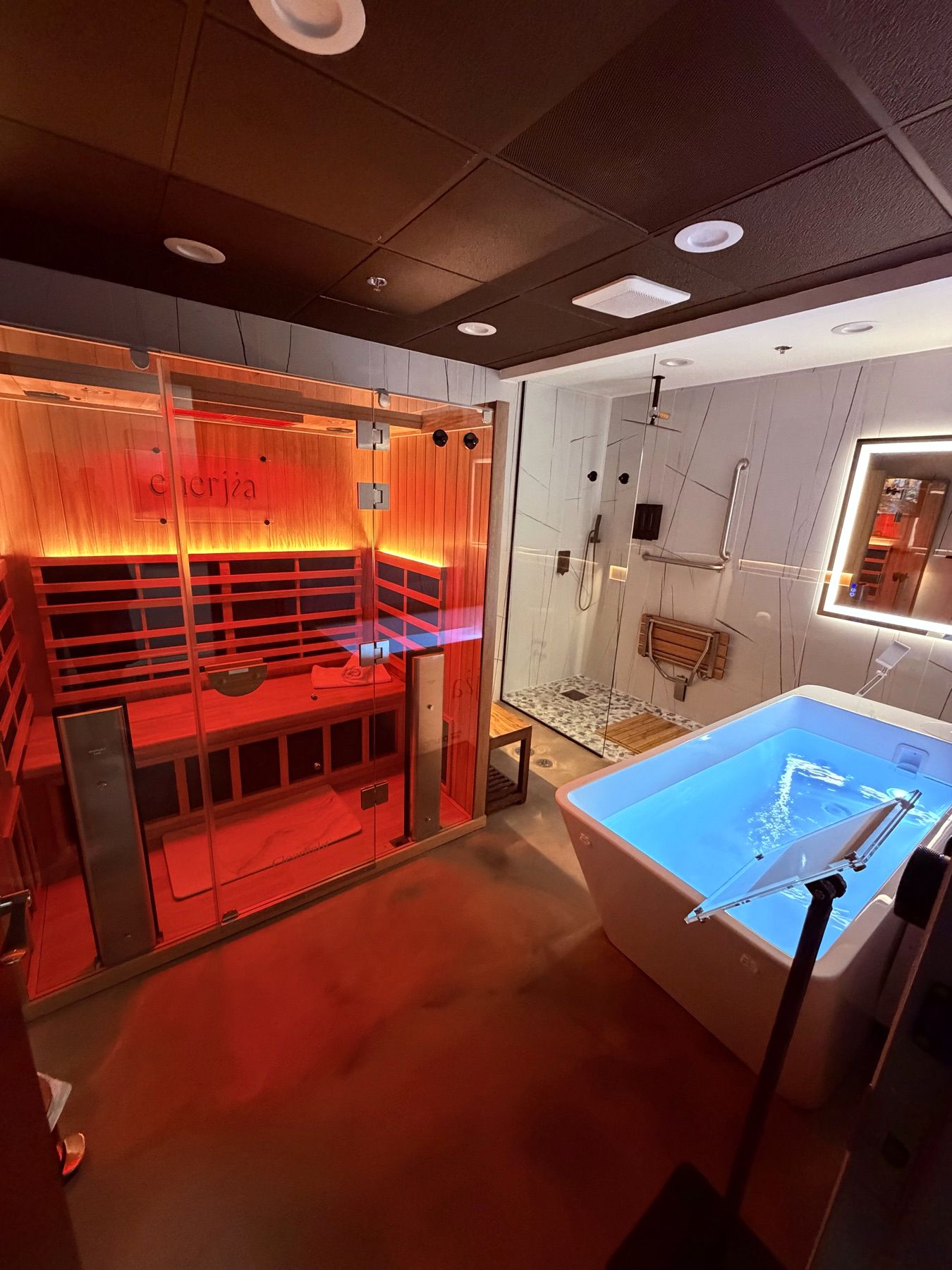
Why would a hot room do all that? The leading explanation, laid out in a major Mayo Clinic review, is that regular heat works like gentle training for your heart. It raises your heart rate, conditions the lining of your blood vessels, and lowers blood pressure over time[3], much like moderate exercise, enjoyed from a warm bench.
More sauna, lower risk: the twenty-year Finnish study
What the cold adds
Cold water is the younger side of the research, and it is promising. Alternating warm and cold immersion reliably eases post-workout muscle soreness compared with doing nothing[4]. And a fascinating Copenhagen study found that men who routinely pair winter swims with sauna had trained their bodies to handle temperature itself: they fired up their own heat production the moment the cold arrived[5]. That may be the best part of a contrast practice. Your body learns, and you can feel yourself getting better at it within weeks.
 30 seca genuinely good first plunge; add time across visits, not within one

Heat
Sauna until you are fully, deeply warm.
10–15 minCold
Plunge until your breath settles.
30 sec–3 minRest
Out of the water. Breathe. Let the body hum.
2–5 minRepeat
Three rounds is most guests’ number.
per sessionYour first plunge, coached
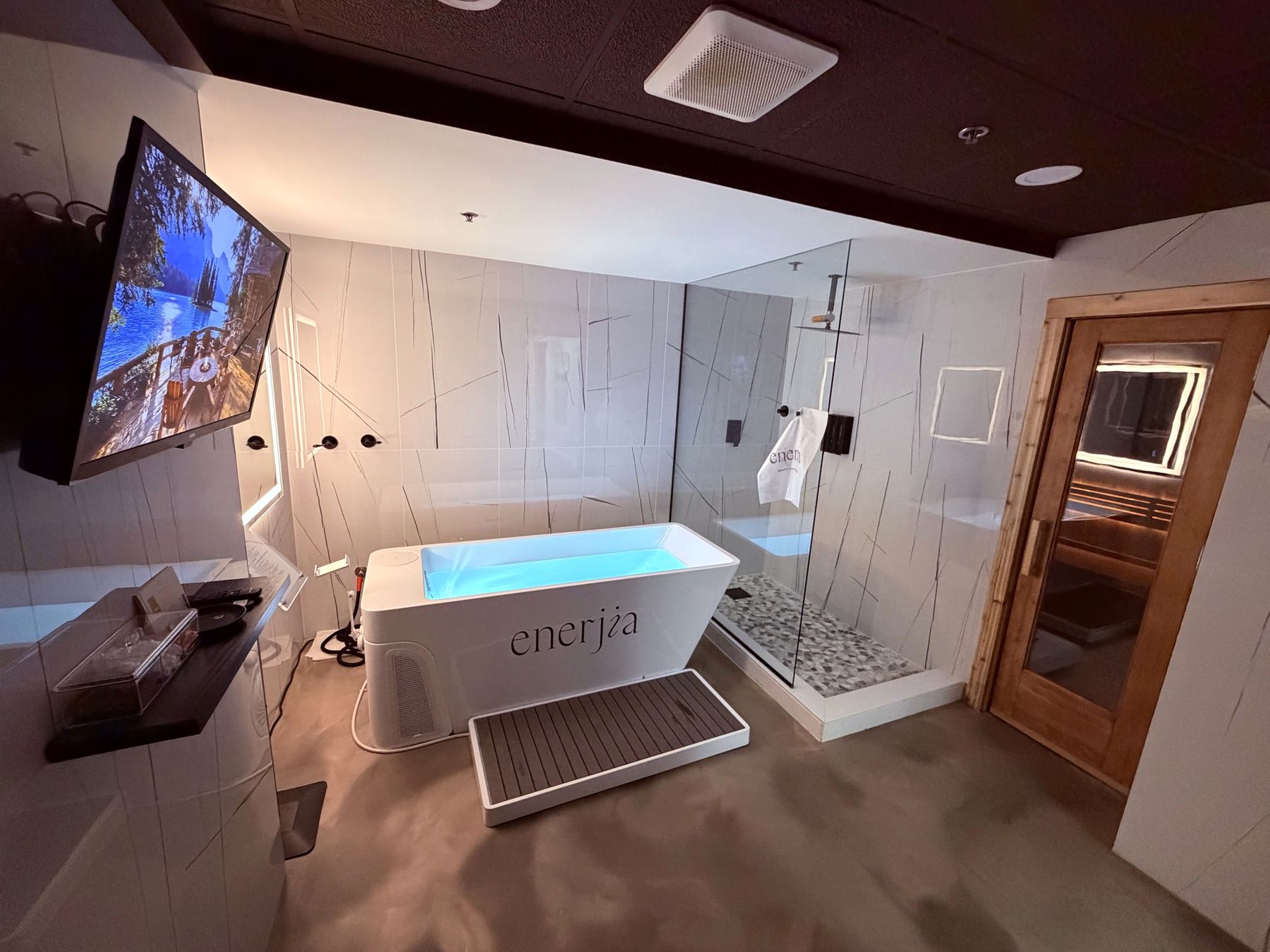
Cold water is an honest teacher, and the first minute is the loudest. Expect a gasp and quick breathing when you get in; that is a normal reflex, and it passes[6][7]. We set every first-timer up to win: enter slowly, stay chest-deep, keep the first session short. Thirty seconds counts, and it counts more than you would think.
- Enter gradually, chest-deep; never dive or dunk into cold water[6].
- Keep your breathing long and steady; the gasp reflex passes inside the first minute[6].
- Thirty seconds is a real first session. Add time across visits, not within one.
- Never plunge alone in the building, and skip the cold entirely if your physician has flagged your heart, rhythm, or blood pressure[7].